


Hi-vis clothing is one of the most critical pieces of safety equipment your team can wear, yet many businesses unknowingly compromise their workers' protection through common mistakes. Whether you're managing a construction crew, warehouse team, or emergency services, these errors could be putting your people at risk.
Let's examine the seven most frequent hi-vis clothing mistakes we see across industries and show you exactly how to fix them.
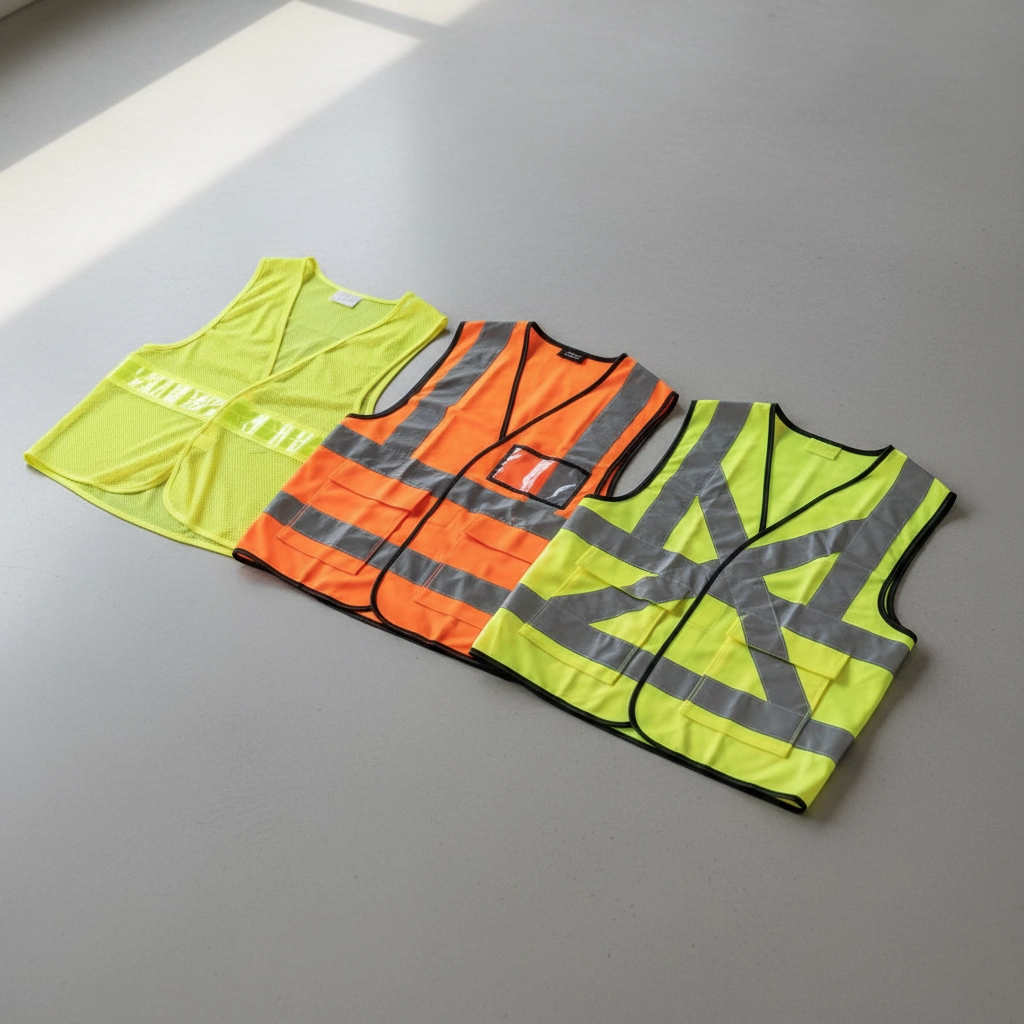
Mistake #1: Choosing the Wrong Class or Size for Your Work Environment
One of the biggest mistakes we encounter is selecting hi-vis clothing that doesn't match your specific work requirements. Many businesses automatically choose Class 2 vests without considering whether their workers actually need Class 3 protection, or vice versa.
The sizing issue is equally problematic:
• Vests that are too tight restrict movement and cause discomfort
• Loose-fitting garments can flap around and create safety hazards near machinery
• Wrong sizes reduce the effectiveness of reflective positioning
How to fix it:
• Class 1: Indoor work or areas with minimal vehicle traffic
• Class 2: Construction zones, airport ground crews, parking attendants
• Class 3: Highway work, emergency responders, high-speed traffic areas
Ensure your hi-vis clothing fits snugly over regular work clothes without being restrictive. The vest should lie flat against the body to maximize reflective visibility from all angles.
Mistake #2: Ignoring Compliance Standards and Using Poor-Quality Materials
We regularly see businesses purchasing non-compliant hi-vis clothing that doesn't meet ANSI/ISEA 107 standards. Studies show that up to 30% of reflective vests on the market fail to meet basic safety requirements.
Common quality issues include:
• Substandard reflective tape that loses effectiveness quickly
• Fluorescent colors that fade after minimal sun exposure
• Missing or incorrectly positioned reflective elements
How to fix it:
Always verify that your hi-vis clothing displays proper ANSI/ISEA 107 certification labels. Quality garments feature:
• High-performance retroreflective tape positioned in H-patterns (front) and X-patterns (back)
• Durable fluorescent fabric that maintains color saturation
• Reflective elements placed at chest, waist, and shoulder levels
When sourcing workwear bundles, ensure every piece meets the same compliance standards rather than mixing certified and non-certified items.
Mistake #3: Wearing Hi-Vis Clothing Incorrectly
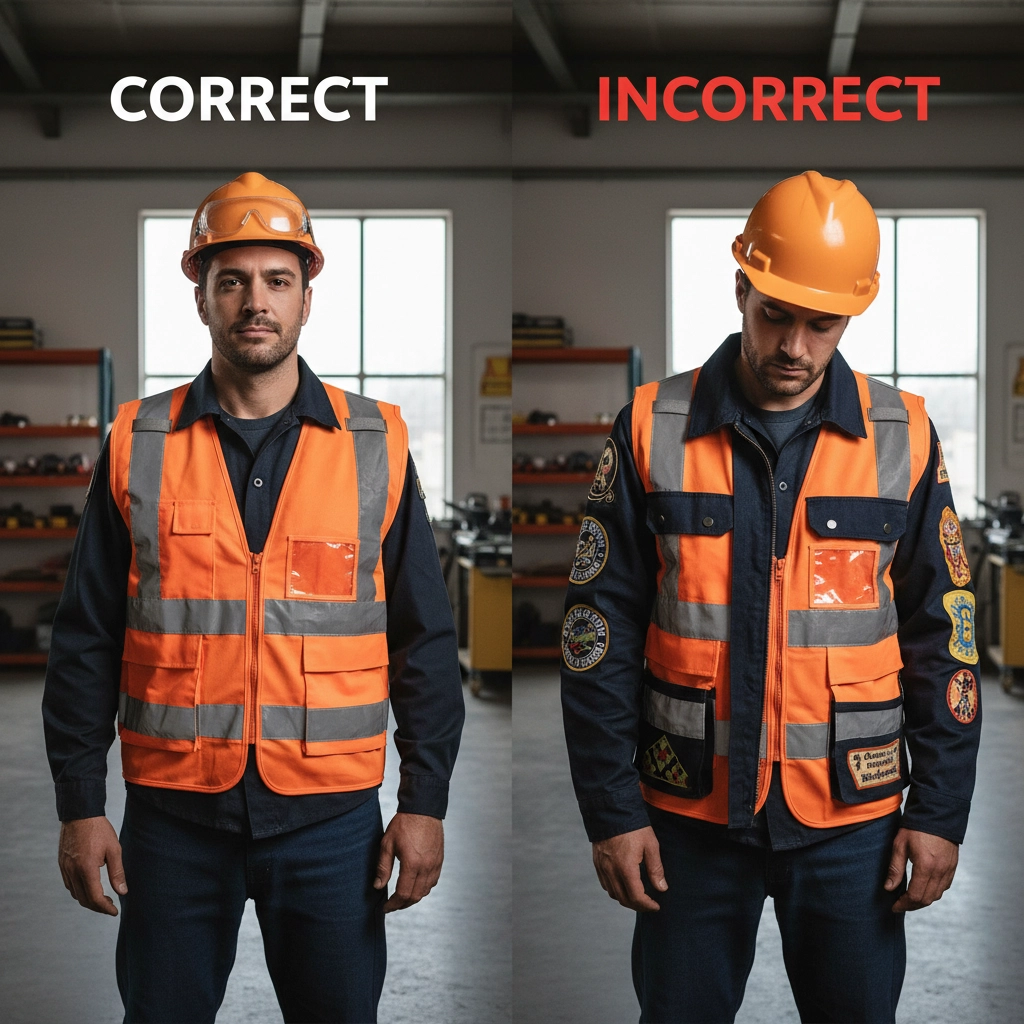
Even the highest-quality hi-vis clothing loses effectiveness when worn improperly. We frequently observe workers making these critical wearing errors:
Common wearing mistakes:
• Leaving zippers, velcro, or snap closures unfastened
• Wearing bulky jackets or coveralls over hi-vis vests
• Adding unauthorized patches, stickers, or decorations that block reflective areas
• Tucking vests inside other clothing layers
How to fix it:
Train your team on proper hi-vis clothing protocols:
• Always wear hi-vis garments as the outermost layer
• Secure all closures completely before starting work
• Keep reflective areas completely unobstructed
• Remove any personal decorations that interfere with visibility
Consider implementing daily safety checks where supervisors verify proper hi-vis clothing usage before work begins.
Mistake #4: Failing to Replace Worn or Damaged Garments
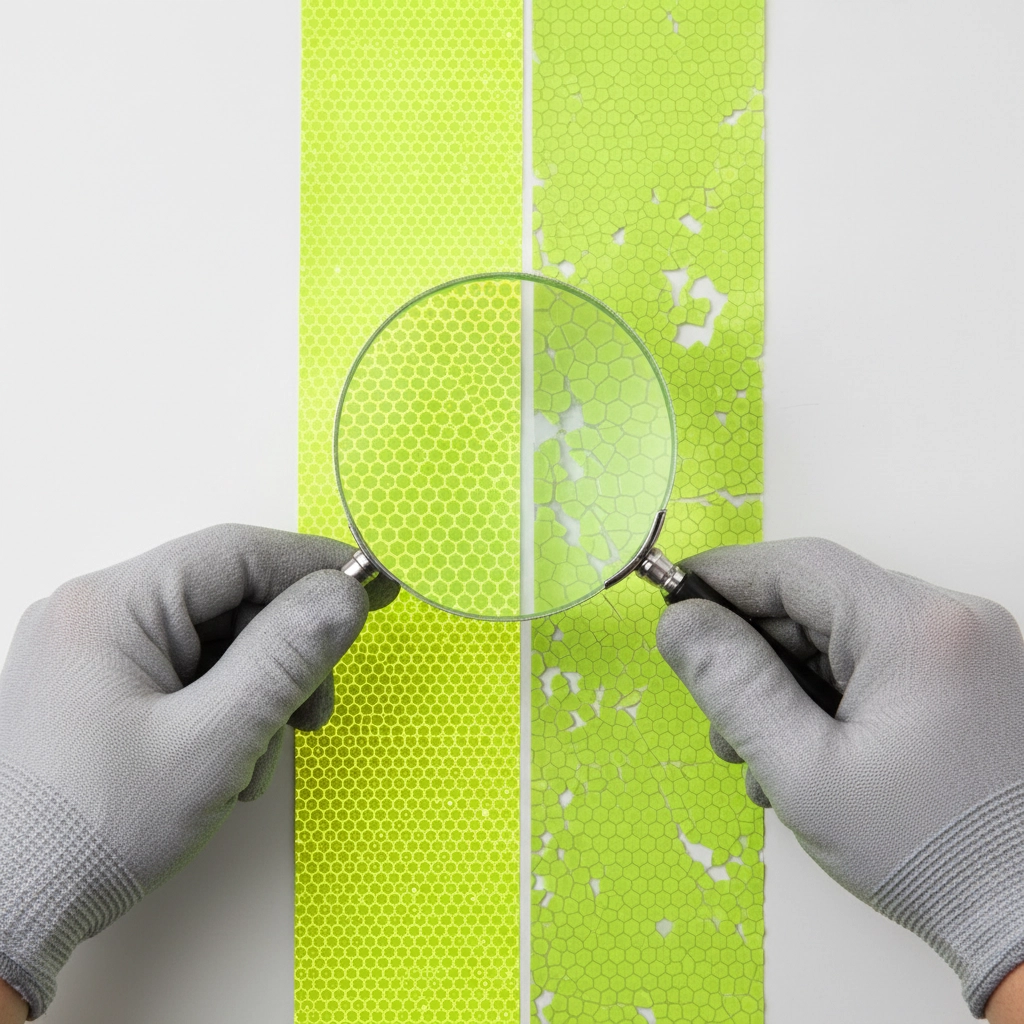
Hi-vis clothing has a limited lifespan, yet many businesses continue using garments well past their effective date. Faded colors and degraded reflective materials provide a false sense of security while leaving workers vulnerable.
Signs your hi-vis clothing needs replacement:
• Fluorescent colors appear dull or washed out
• Reflective tape shows cracks, peeling, or missing sections
• Fabric has holes, tears, or excessive wear
• Garments no longer fit properly due to stretching
How to fix it:
Establish a regular inspection schedule for all hi-vis clothing:
• Weekly visual inspections for high-use garments
• Monthly detailed assessments of reflective tape integrity
• Immediate replacement of any damaged items
• Proactive replacement based on manufacturer wash cycle limits
Keep replacement garments in stock to avoid delays when immediate replacements are needed.
Mistake #5: Using Harsh Detergents and Ignoring Care Instructions
Improper cleaning destroys hi-vis clothing faster than normal wear and tear. Strong detergents, bleach, and fabric softeners break down fluorescent dyes and damage reflective materials.
Damaging cleaning practices:
• Using bleach or color-safe bleach products
• Adding fabric softeners that coat reflective surfaces
• Ignoring manufacturer care label instructions
• Using excessive amounts of standard laundry detergent
How to fix it:
Follow these cleaning best practices:
• Use only mild, pH-neutral detergents specifically designed for hi-vis clothing
• Read and follow every care label instruction precisely
• Avoid all bleaching agents and fabric softening products
• Use appropriate detergent quantities to prevent residue buildup
Consider partnering with commercial laundry services that specialize in hi-vis clothing care for large-volume uniform programs.
Mistake #6: Washing in Hot Water and Using High-Heat Drying
Hot water and high-heat drying are among the fastest ways to destroy hi-vis clothing. These conditions cause fluorescent colors to fade, reflective adhesives to fail, and synthetic fabrics to lose their shape.
Heat-related damage includes:
• Rapid color fading in fluorescent materials
• Reflective tape lifting or peeling from fabric
• Fabric shrinkage that affects proper fit
• Weakened fiber structure leading to premature wear
How to fix it:
Always use cold-water washing and low-heat drying:
• Set washing machines to cold water and delicate cycle
• Use air-drying when possible for maximum garment longevity
• If machine drying is necessary, use only low-heat settings
• Never iron hi-vis clothing or use high-temperature pressing
Remove garments from dryers promptly to prevent unnecessary heat exposure and wrinkle formation.
Mistake #7: Mixing Hi-Vis Clothing with Rough or Abrasive Fabrics
Washing hi-vis clothing alongside rough fabrics like denim, canvas, or items with hook-and-loop fasteners creates friction that damages reflective materials and accelerates fabric wear.
Fabric friction causes:
• Scratched or abraded reflective tape surfaces
• Pilling on fluorescent fabric that reduces visibility
• Premature wear patterns that compromise garment integrity
• Dirt and debris ground into reflective materials
How to fix it:
Sort your laundry carefully:
• Wash hi-vis clothing separately from all rough or heavy fabrics
• Pre-treat stains by gently removing debris with a clean, dry cloth
• Avoid overloading washing machines to prevent excessive friction
• Turn hi-vis garments inside out before washing to protect outer surfaces
For businesses with large uniform volumes, consider establishing dedicated hi-vis laundry loads to maintain separation consistently.
Protecting Your Investment and Your Team
These seven mistakes represent the most common ways businesses unknowingly compromise their hi-vis clothing effectiveness. By addressing each area systematically, you'll extend garment life, maintain compliance standards, and most importantly, keep your team properly protected.
At Ultimate Workwear, we work closely with businesses to develop comprehensive hi-vis clothing programs that address selection, training, maintenance, and replacement cycles. Our team understands that proper workwear isn't just about meeting regulations: it's about creating a culture of safety that protects your most valuable asset: your people.
Whether you're outfitting a small crew or managing enterprise-level uniform requirements, implementing these fixes will dramatically improve your hi-vis clothing program's effectiveness while reducing long-term costs through improved garment longevity.